
Pet Calming, Anxiety & Fear Aggression
Gentle approaches to fear, anxiety and reactivity in dogs.

BEHAVIOR – FEAR, CALMING, ANXIETY & AGGRESSION
Dogs do a good job communicating with us when they may not be feeling well.

Anxiety signals can sometimes be a dog communicating they are uncomfortable and not feeling well.
Traditional thinking would be just giving the dog some sedatives, thus just treating the symptom. This strategy or protocol can sometimes leave the dog feeling even more uncertain.
Finding out what is triggering the anxiety ‘root causation‘ is important in order to hopefully help the pet improve.
Signs of anxiety can be signs of fear, increased aggression or reactivity, decreased appetite, lethargy, chewing paws, clinginess, barking, panting, pacing, sensitive to light and other potential signals that they are not feeling well or are not comfortable.

In the dog parks and other group settings, some of the anxiety, fear, aggressive and bad behavior has been associated or correlated with dogs having an adverse reaction to products they may be taking or have recently been exposed to.
If you feel your dog is not acting normal, step 1 would be to evaluate ‘root causation’ if there is a product your pet is consuming that could be contributing to an adverse event. You can research the potential suspect chemical or product and see what the adverse reactions listed are for the product.
When an adverse product is eliminated from a dog, the new or revised behavior can be more balanced, and the dog may be more comfortable. It is important to understand the ‘homeostatic baseline’ for your dog or your dog with no unnecessary products ‘an uncompromised pet’ in their system.
Canine anxiety, fear, aggression and behavior modifications can often potentially be symptoms of an adverse event.
See the peer review study below that explains how some ‘oral’ neuro toxic chemicals used in antiparasitic pesticides and marketed as ‘flea & tick’ products can bypass the pet’s Blood Brain Barrier (BBB), and the toxic chemical can permeate into the pet brain.
Imagine the feeling of potentially having a ‘toxic substance’ in the brain; you can see how it would really compromise an animal (seizures and other issues).
In these severe adverse neurological cases, even sedatives may not help the cognitive feeling the pet might experience.
It is important trainers and people in the group play industry understand what products dogs are on or under the influence of and the potential side effects are associated with those products.
Several oral drugs used in pets can by-pass or permeate the BBB, but when it is a neuro toxin, the pet can experience seizures, vision changes, and other brain related confusion. If these chemicals permeate the dog’s BBB, it could compromise the pet’s brain health and they can be signaling they are not feeling well, and this can come across as ‘anxiety’, ‘fear’ or ‘aggression’.
These compromised dogs might have a tough time with training or calming even if on sedatives. It would be appropriate for a trainer or pet owner dealing with the pet having anxiety, to first determine ‘root causation’ what products the dog is taking and discuss the potential side effects and risk with a veterinarian.
The manufacturers of these anti-parasitic pesticides offer alternative topical solutions that may be less likely to permeate the BBB.
Another common symptom that has been observed when a dog is potentially having a neurological adverse issue is ‘excessive salivation’, specifically an uncontrollable drip or drool typically in front of the mouth. This has been a common correlation that deserves reviewing and attention.

(video) ‘Retinal Toxicity’ (visionary loss) in pets associated with anti-parasitic products


Survey of Parasiticides
Safety Warning Issued
Certain products have documented associations with neurological events, tremors, impaired coordination, and seizures in susceptible animals.
The risks depend on the active ingredient, dose, animal, and product formulation.
Here is a list of products the FDA has issued notices to pet owners and veterinarians on.
Animal Drug Safety-Related Labeling Changes | FDA
https://www.fda.gov/animal-veterinary/animal-health-literacy/fact-sheet-pet-owners-and-veterinarians-about-potential-adverse-events-associated-isoxazoline-flea
If your dog or a dog in training is experiencing any issues described above, it is important to seek veterinarian care.
Finding a veterinarian that has additional training in integrative & holistic modalities & causation ‘adverse’ evaluation may be useful.
The content and resources provided are for informational purposes only and are not meant to diagnose, treat, or replace consulting with a veterinarian.

Please report any adverse reactions to the FDA
Veterinary Adverse Event Reporting for Manufacturers | FDA
style>
Keep Reading
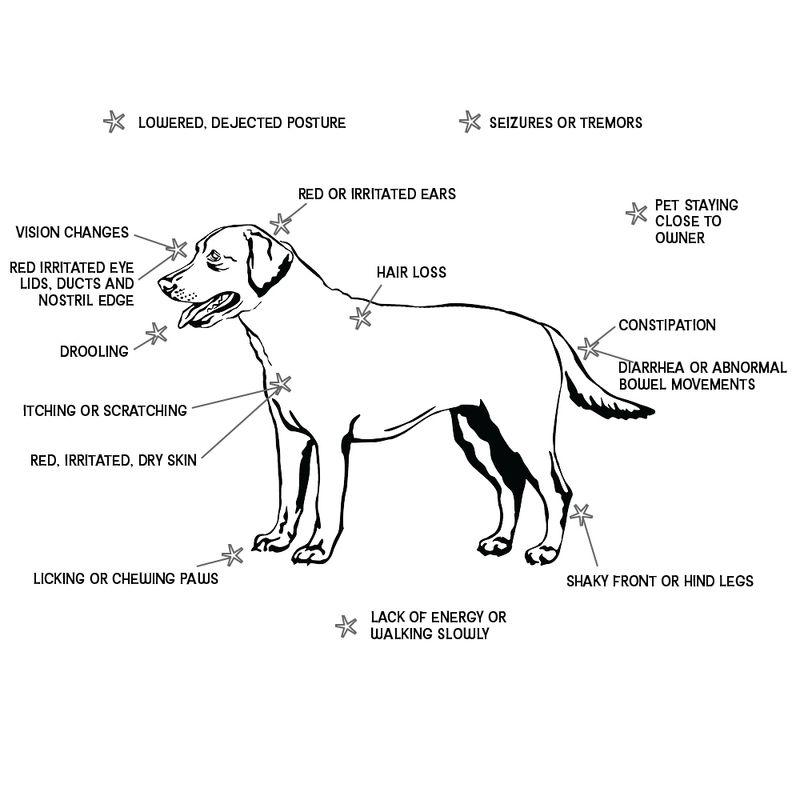
Connecting the Dots: Pet Adverse Symptoms
An interactive guide to common adverse symptoms in pets — what to watch for and when to call your vet.

Pet Advocacy & Wellness
Organizations and causes working for animal welfare and wellness.

Why Does My Dog Drool?
Dogs Drooling Why Does My Dog Drool at the Dog Park? Increased drooling with your dog when going to the dog park can be an indicator of a serious adverse reaction. This is a common symptom that is observed in some dogs…

Parasiticides Side Effects of Common Veterinary Drugs
▶ Watch “Parasiticides⚠️Side Effects of Common Veterinary Drugs” on YouTube