
Connecting the Dots: Pet Adverse Symptoms
An interactive guide to common adverse symptoms in pets — what to watch for and when to call your vet.

Adverse Symptoms, Product Reactions & Resource Center
Connecting The Dots Resource Center
This resource section is designed to assist Pet Care Professionals and Pet Care Owners. This is a collaborative section, if you have any adverse event studies or research findings you think would be useful, please email them via the contact us form and they will be reviewed for posting.
$
Musculoskeletal adverse events in dogs receiving bedinvetmab (Librela)
- Pain
- Ortho
Antiparasitics: Bypassing the Blood–Brain Barrier
- Drooling
- Vision
- Lethargy
- Imbalance
- Neurological
- Seizures
Survey of canine use and safety of isoxazoline parasiticides
- Seizures
- Itching
- Drooling
- Lethargy
- Paws
- Neurological
Vision Impairments - Retinal Toxicity associated with Antiparasitic Products (Video)
- Vision
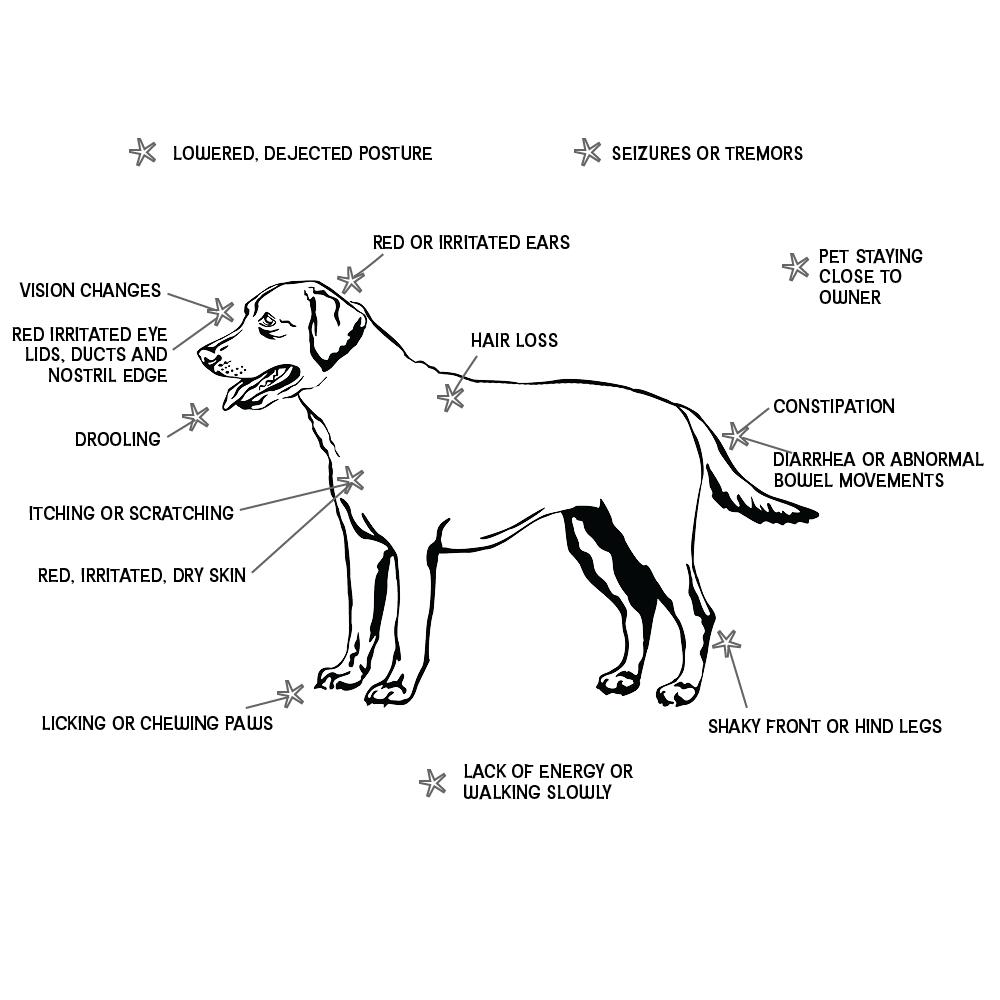
Vision Changes
Regular eye exams are important for maintaining your pet’s overall eye health. A veterinary specialist can evaluate your pet’s eyes and identify potential problems early.
In some cases, nutritional support may help maintain or improve eye health. Vision changes or impairment can also be related to medications your pet may be taking, making regular veterinary evaluations especially important.
These ‘flea & tick’ products are neuro toxic anti-parasitic pesticides and have been associated with causing neurological adverse issues such as visionary loss or changes.
These products can potentially by-pass the Blood Brain Barrier (BBB) and then the toxins can be present in the brain at which point your dog can be showing signs of having an adverse event, like visionary loss, confusion, low energy, excessive salivation as well as some other symptoms.
If your dog is taking anti-parasitic drugs marketed as ‘flea & tick’ products it is very important and urgent to consider a potential vision change or vision loss to your pet potentially having an adverse reaction to the ‘flea & tick’ products aka anti-parasitic products.
For more detailed information, see the links below.
- Vision Impairments – Retinal Toxicity associated with Antiparasitic Products (Video)
- Antiparasitics: Bypassing the Blood–Brain Barrier
A veterinary ophthalmologist is a specialist who receives additional training after veterinary school, with a focus on eye diseases, eye surgery, and advanced diagnostic techniques. Veterinary ophthalmologists who are board-certified are certified by the American College of Veterinary Ophthalmologists (ACVO). www.acvo.org
Bloody Nose
When your pet has a bloody nose, it is best to have them evaluated by a veterinary professional. A bloody nose can have many possible causes, including trauma, polyps or tumors, infections, blood disorders, and other systemic health conditions.
Certain medications can also contribute to nosebleeds by affecting blood clotting or making the blood thinner or adverse reactions.
Because there are many potential causes, a veterinary evaluation can help determine the underlying issue and ensure your pet receives appropriate care.
Red or Irritated Ears
If your dog’s red, irritated ears persist despite treatment, the underlying cause may not have been fully addressed. Ear problems can result from bacterial or yeast infections, allergies, parasites, irritation, trauma, environmental factors, or adverse products.
A healthy, properly functioning immune system is an important part of the body’s ability to respond to infection and inflammation.
If your dog is using immunocompromising medications or products that affect immune function, this should be considered when evaluating the issue.
For your dog to have their best chance of healthy ears and the ability to fight off constant bacteria, they need to have a robust immune system.
It is best to find a pet care professional that can help you do a causation evaluation and treatment plan.
Lowered Dejected Posture
A dog’s posture is a signal into their feeling good and overall health. Subtle changes in the way a dog postures may signal pain, weakness, stress, or even a neurological problem.
Because dogs cannot tell us when something is wrong, their posture is one of the most important ways they communicate that they may not be feeling well or they may be having an adverse event.
If you notice a persistent or worsening change in your dog’s posture—especially when accompanied by other unusual symptoms—consult a pet care professional for an appropriate causation evaluation, diagnosis, and treatment.
Pet Staying Next To Owner As Sign
Dogs communicate with their owners through their behavior and actions, so a sudden increase in barking, pacing, low energy and clinginess deserves attention.
If your dog is suddenly following you everywhere or staying unusually close, you may wonder, “Why is my dog suddenly so close to me?”
While this may simply be a desire for affection, sudden clinginess can also signal stress, anxiety, changes in routine; they are not feeling well or an underlying health issue.
Paying close observation to your pet and understanding possible causations can help you give your dog the care and attention they need. They may be signaling they are not feeling well or need something.
Constipation
Just like people, dogs can occasionally become constipated. Knowing what is normal for your dog-and noticing when something changes-can help you address a problem
before it becomes more serious.
Click here to view more information
Shaky Front or Hind Legs
When a dog’s leg is shaking or experiencing tremors, there can be several potential causes, including pain, muscle weakness, anxiety, cold, nausea, toxin exposure, or neurological issues. In some cases, tremors may indicate a neurological adverse event to a drug they may be taking.
It is best to have your pet evaluated by a qualified professional to determine the potential cause and develop an appropriate treatment plan. Depending on the underlying issue, working with a physical therapist may also be beneficial for rehabilitation and helping restore nerve, muscle, strength, and overall function.
Lack of Energy or Walking Slowly
Low energy or lethargy in dogs is more than simply being tired. A lethargic dog may show a noticeable lack of energy, lose interest in normal activities, or be reluctant to move.
Unlike normal fatigue, a lethargic dog may not respond to things they typically enjoy, such as favorite treats, toys, walks, or the sound of the doorbell. If this change persists despite adequate rest, it may be a sign that your dog is not feeling well.
Lethargy can have many possible causes, including illness, pain, changes in their environment, or an adverse response to a medication they may be taking.
If your dog seems significantly less energetic than normal or the change persists, contact a professional for an evaluation. They can help identify potential causes and recommend an appropriate plan to help your dog feel better and regain their normal energy.
Licking or Chewing Paws
Excessive paw licking in dogs can be a sign of discomfort, irritation, anxiety, boredom, an underlying health condition, exposure to a toxin, or a reaction or adverse event associated with a medication.
While occasional paw licking is normal, persistent or compulsive licking can irritate and damage the skin, potentially leading to infection and making the underlying problem worse.
If your dog is licking their paws frequently or persistently, a professional can help identify the potential cause and determine an appropriate treatment to help relieve your dog’s discomfort.
Red, Irritated Dry Skin
Common causes of irritated skin or itching in dogs include environmental allergies, food sensitivities, insect bites, exposure to irritating or toxic substances, skin infections, underlying health conditions, nutritional deficiencies, and adverse reactions to medications. Various skin issues are common reported adverse reactions to some pet drugs.
For mild irritation, some dogs may benefit from gentle, soothing measures such as an oatmeal bath or a veterinarian-approved soothing shampoo. However, remedies such as Epsom salt baths or aloe vera should be used cautiously, as some products may irritate the skin or be harmful if ingested. If the irritation persists, worsens, or is accompanied by significant itching, redness, sores, hair loss, or other symptoms, consult a professional.
For the most accurate allergy testing, discuss your dog’s current medications, immunosuppressants, corticosteroids, and anti-parasitic products with your veterinarian before testing. A dog should be able to test their best or cleanest baseline status, uncompromised.
The goal is to establish fair ‘uncompromised’ baseline testing conditions that are medically appropriate and provide results that can be interpreted accurately.
Itching or Scratching/Red Irritated Dry Skin
Seizures or Tremors
ome medications and other substances used in or encountered by pets have been associated with neurological adverse events, including seizures. If a pet develops abnormal behavior, altered awareness, tremors, seizures, or other signs of neurological dysfunction, the animal should be evaluated promptly by a veterinarian.
The veterinarian can review the pet’s medications or drugs and exposures, assess possible adverse drug reactions or toxicity.
Toxic exposures can produce significant neurological effects and, in some circumstances, can be life-threatening. Prompt veterinary assessment is therefore important.
The FDA, USDA and the drug manufacturers themself have all warned of the potential side effects of using systemic neuro-toxic antiparasitic pesticides marketed as ‘flea and tick’ ‘preventatives’
Hair Loss
Drooling
Why Does My Dog Drool at the Dog Park?
Increased drooling when going to the dog park is something to pay attention to and can be an emergency as an indicator of a more severe adverse reaction.
Excessive salivation (dripping or drooling) can be a signal of a neurological adverse event associated with the use of the isooxazoline class of neuro- toxic antiparasitic pesticides marketed as flea & tick products. Read the study below to see details of how some anti-parasitical pesticides can bypass the Blood Brain Barrier (BBB) and the toxic antiparasitic chemical can make it into the dog’s brain, thus potentially causing neurological dysfunction; seizures, lethargy, visionary loss and other symptoms, with the excessive salivation potentially being a good indicator the drug has bypassed the BBB, see study below.
Visiting the dog park provides exercise, excitement, and stimulation. Some pet care professionals will tell pet owners the drooling is normal due to excitement, but we have seen this as a more serious indicator of a potentially more severe symptom of a pet having an adverse reaction as explained below.
A medication-related adverse event is a possibility that should be immediately considered, particularly if the excessive salivation (drooling or dripping) is unusual or excessive for your dog. If your dog is taking a flea & tick pill or shot, or other antiparasitic pesticide product, or occurs along with additional symptoms, it is advisable to consider an adverse event as a possible causation.
Certain flea and tick medications in the isooxazoline class have been associated with neurological adverse reactions in dogs. The FDA specifically identifies reported neurological events including muscle tremors, ataxia (loss of coordination), increased salivation and seizures including seizures in some dogs with no previous seizure history.
The FDA also advises owners to contact a veterinarian if a dog develops symptoms after using a flea or tick product. Its listed warning signs include dizziness, wobbliness, incoordination, vomiting, diarrhea, depression, poor appetite, and excessive salivation; seizures have also been reported.
FDA has alerted Pet Owners and Veterinarians About Potential for Neurologic Adverse Events Associated with Certain Flea and Tick Products. The drug manufacturers themselves have also issued warnings against these products and some offer topical solutions without the isooxazoline chemical.
Uncontrollable or excessive salivation of ‘drooling’ can be an association to neurological dysfunction.
Excitement and physical activity can increase salivation in some dogs. Heat, anxiety, nausea, oral irritation, dental disease, gastrointestinal problems, and other medical conditions can also cause excessive drooling.
If your dog is drooling or dripping ‘excessive salivation’, it is important to treat this as an emergency (as a possible neurological adverse symptom) and read the list of adverse reactions on the products box and review with a pet care professional or veterinarian.
Dogs – Antiparasitic product brands marketed as ‘flea & tick preventatives’ for dogs containing Isooxazoline
Credilio, Credilio plus
Nexgard, Nexgard Plus
Simparica, Simparica Trio
Bravecto, Bravecto Quantum
Please see below some more natural ways to prevent insect bites.
Additional Resources (PDFs)
IDENTIFYING ADVERSE REACTIONS TO ANTIPARASITIC PESTICIDES
What Every Pet Parent Should Know – Adverse Effects of Antiparasitic Pesticides.
Insects and parasites such as; mosquitoes, ticks, flies,fleas and bees can transmit diseases, but at the same time some of the products marketed as antiparasitic preventatives can also be associated with risk of severe adverse events
- Vision
- Itching or Scratching
LIBRELA ADVERSE EVENTS
Rapidly Progressive Osteoarthritis (RPOA) and “anti-nerve growth factor-induced insidious periarticular mineralisation” (AIPM).
- Ortho
- Arthritis
- Pain
The content and resources provided on this website are for informational purposes only and are not intended to diagnose, treat, or prevent any medical condition. The content and resources mentioned are not a substitute for professional veterinary advice, diagnosis, or treatment. Consult a veterinarian, qualified pet care professional or specialist regarding your pet’s health, care, or specific needs.
Keep Reading
Pet Calming, Anxiety & Fear Aggression
Gentle approaches to fear, anxiety and reactivity in dogs.

Pet Advocacy & Wellness
Organizations and causes working for animal welfare and wellness.

Why Does My Dog Drool?
Dogs Drooling Why Does My Dog Drool at the Dog Park? Increased drooling with your dog when going to the dog park can be an indicator of a serious adverse reaction. This is a common symptom that is observed in some dogs…

Parasiticides Side Effects of Common Veterinary Drugs
▶ Watch “Parasiticides⚠️Side Effects of Common Veterinary Drugs” on YouTube